
Your weight loss journey with Ozempic (Semaglutide) starts here.

From how it works to what you can expect along the way, here's everything you need to know to feel confident on your journey.
Your Journey

Reduced appetite
Fewer cravings
Steadier blood sugar
Gradual, consistent loss

Ozempic is a once-weekly injectable GLP-1 (glucagon-like peptide) medication. It works by mimicking a natural gut hormone that signals your brain to reduce hunger and helps you feel full longer. Here is a realistic look at what most patients experience.

5–15%
avg. body weight lost over the course of treatment
6-12 mo
timeframe for continued results
timeline

How results unfold over time

Weeks 1–4
Early adjustment
Your starting dose is intentionally low to help your body adjust. Some patients notice appetite changes within the first few weeks, though significant weight loss typically comes later.
Months 2–3
Weight loss begins
Noticeable weight loss usually starts around the 2–3 month mark, particularly after moving to a higher dose. Cravings decrease and portions feel more manageable.
Months 3–6
Building momentum
Consistent weight loss continues as your dose increases. A good time to reinforce nutrition and activity habits that support results long-term.
Months 6–12
Sustained progress
Results can continue over 6–12 months of consistent use. Your provider will help maintain progress and adjust your plan as needed.
play_circle
Watch: What to expect in your first months (3 min)
info

What happens if you stop taking Ozempic

If you stop taking Ozempic, appetite typically returns to its previous level and weight regain is common when eating and activity habits have not changed.

Never stop or adjust your dose on your own. Your provider will create a plan that protects your health whether you continue, pause, or switch medications.

Dosing & Medication

Taking your medication correctly makes a real difference. Here is everything you need to know about using the Ozempic pen, your dosing schedule, and how to store your medication safely.

medical_information

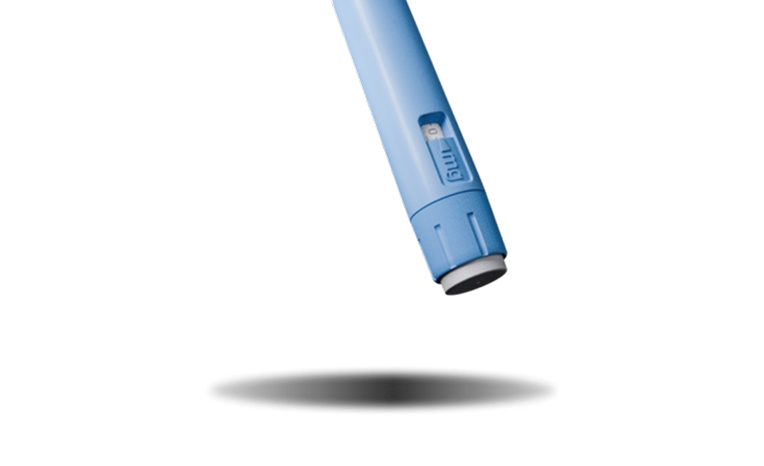
How to use the Ozempic pen

1
vaccines

Pre-filled pen

Ozempic is injected subcutaneously (under the skin) using a pre-filled pen

2
pin_drop

Injection sites

Common injection sites are the abdomen, thigh, or upper arm — rotate each week to reduce irritation

3
tune

Prepare and inject

Attach a new needle, prime the pen before first use, dial to your prescribed dose, and inject at a 90-degree angle

4
description

Package insert

Full injection instructions are included in the package insert that comes with your pen

play_circle
Watch: Dr. Mark demonstrates an Ozempic injection
calendar_month

Your dosing schedule

Ozempic is taken once weekly, on the same day each week. Standard doses are 0.25 mg, 0.5 mg and 1 mg, starting low and increasing gradually under your provider's guidance.

  • Take your injection on the same day each week, at any time of day
  • If you miss a dose, take the missed dose within 5 days. If more than 5 days have passed, skip it and resume your normal schedule
  • Never change your dose without speaking with your provider first
info

Your provider will reach out when it is time to increase your dose. You do not need to manage this on your own.

warning
Using Tirzepatide (Mounjaro or Zepbound) will lower the effectiveness of your birth control pill for the first month that you are taking it. Please talk to your provider about back up options during that time.
inventory_2

Storing your Ozempic pen

ac_unit
Unopened: fridge between 2°C and 8°C (36°F and 46°F)
thermostat
In use: room temp (up to 25°C / 77°F) for up to 56 days
light_mode
Keep the pen away from direct heat and sunlight
do_not_disturb
Never freeze the pen, and always replace the cap after each use
info

The ice pack that comes with your order is there to prevent the temperature from exceeding 30°C during transport. They do not keep the package ice cold and are often already melted when the package arrives – that is okay!

Side Effects

The most common side effects of Ozempic are nausea, vomiting, diarrhea, constipation, and stomach discomfort. These tend to occur during the early weeks or after a dose increase, and for most patients, they improve as the body adjusts to the medication.

Common — usually temporary
sick

Nausea and digestive discomfort

Nausea is the most commonly reported side effect. It typically peaks early on and improves as your body adjusts to semaglutide. A slower dose escalation can also help if symptoms persist.

What helps:

  • Eat smaller, more frequent meals rather than large portions
  • Chew slowly and stop eating when you feel full
  • Avoid greasy, rich, or heavily spiced foods while adjusting
  • Stay well hydrated by sipping water consistently throughout the day
Less common
contact_support

When to contact your provider

Most side effects are mild and manageable. Please reach out to your care team if you notice any of the following:

  • Severe or persistent abdominal pain that does not improve
  • Vomiting that prevents you from keeping food or water down
  • Signs of a serious allergic reaction such as a rash, difficulty breathing, or swelling
  • Noticeable changes in vision or heart rate
  • Any side effect that feels unmanageable or is affecting your daily life
emergency
Medical emergency? Call 911 or go to your nearest emergency room right away. Do not wait for a portal message response.

Diet & Lifestyle

Ozempic works best alongside healthy eating and regular movement. Small, sustainable changes make a bigger difference than dramatic overhauls, and your provider is here to help you build a plan that fits your life.

inventory_2

Eating well on Ozempic

Because Ozempic reduces your appetite, it becomes especially important to make every meal count nutritionally. Reducing calorie intake by around 300–500 calories or less is typically recommended, but your provider can help tailor this for your body and goals.

  • Choose whole, unprocessed foods over fatty foods, packaged snacks, and sugary sweets
  • Add more fruits, vegetables, whole grains, lean proteins, and healthy fats to your meals
  • Monitor your caloric intake and focus on nutrient-dense options that keep you satisfied
  • Do not skip meals entirely — eating too little can slow your metabolism and leave you low on energy
  • Eat mindfully and slowly, as your hunger cues may feel different on this medication
play_circle
Watch: Getting active on your weight loss journey (4 min)
directions_run

Movement and activity

You do not need an intense workout routine to see results. Consistent, moderate movement has the greatest long-term impact on weight loss and overall health.

  • Focus on moderate-intensity aerobic exercise that raises your heart rate — brisk walking, jogging, and swimming are all great options
  • Aim for at least 150 minutes of exercise spread throughout the week
  • Incorporate strength training to build muscle mass, which can help increase your resting metabolic rate over time
  • Do not push through exhaustion — rest is a meaningful part of the process
pregnant_woman
These medications are not safe to use while pregnant or breastfeeding. Please let your provider know right away if your reproductive goals have changed.
tips_and_updates

Quick daily reminders

water_drop

Stay hydrated

8+ glasses daily. Dehydration worsens nausea and fatigue.

egg_alt

Protein first

Start each meal with lean protein — keeps you fuller, preserves muscle.

dining

Smaller meals

More frequent, smaller meals. Large meals trigger nausea early on.

directions_walk

Move daily

Even 20 minutes of walking supports metabolism and mood.

Clinical support

Your care team is here throughout your journey. Here is how to reach us, what to expect when you do, and when to seek urgent help.

forum

Message your provider

Have a question about your dose, a side effect you are experiencing, or your progress so far? Your licensed provider is available through secure messaging in your portal.

edit_note

What to include in your message

vaccines
Your current dose and when you last injected
description
A clear description of your question, symptom, or concern
schedule
How long you have been experiencing a side effect and how severe it feels
medication
Any medications or supplements you have recently started
emergency
Medical emergency? Call 911 immediately. Portal messaging is not monitored 24/7 and is not suitable for urgent medical situations.

Ready to reach out?

Your care team is always here — no question is too small.

chat
Message my care team
smartphone

Download the Raven app

Message your care team, track progress, and manage refills.

Frequently asked questions

Quick answers to the most common questions about your treatment.
What if I miss a dose?

If it's been less than 5 days since your missed dose, take it as soon as you remember. If more than 5 days have passed, skip the missed dose and take your next one on the regular day.

Can I drink alcohol while on Ozempic?

Moderate alcohol is generally fine, but it can increase nausea — especially during the first few weeks. Alcohol also adds empty calories that work against your goals.

How should I store my Ozempic pen?

Keep unused pens in the refrigerator at 2–8°C. Once in use, store at room temperature (up to 25°C) for up to 56 days. Never freeze, and keep away from direct heat or sunlight.

When will I start seeing results?

Most patients notice appetite changes within 1–2 weeks. Meaningful weight loss typically begins around months 2–3 as your dose increases. Consistency with medication and healthy habits makes the biggest difference.

Will I need to take this medication forever?

Your provider will work with you on a long-term plan. Many patients use Ozempic alongside lifestyle changes. If you decide to stop, your provider will create a tapering plan.

Can I exercise normally?

Yes — exercise is encouraged. During the first few weeks you may have less energy, so start moderate. Aim for 150 minutes per week of walking, cycling, or swimming, plus strength training.

What should I eat on injection day?

No strict rules, but many patients find a light, balanced meal works best. Avoid large, heavy, or greasy meals close to injection — they can worsen nausea. Stay hydrated.

When should I contact my care team?

Reach out for persistent vomiting, severe abdominal pain, signs of allergic reaction, or any side effect that feels unmanageable. For medical emergencies, call 911 immediately.